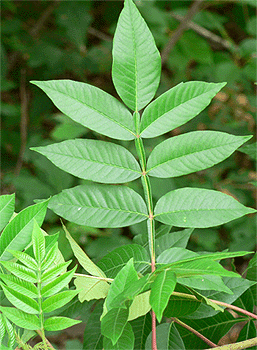
Poison
sumac (Toxicodendron vernix) is a woody shrub or small tree that grows up to 20
feet tall.It bears a fruit which is a small white or grey berry, this helps distinguish
it from other sumacs which have red berries. It also has shorter leaves and fewer
leaflets as compared to other sumacs.
It may be found in wet soils (usually found in swamps and peat bogs, in the eastern
United States and Canada), whereas other sumacs prefer dry soil. It is considered
an invasive weed in the U.S.
Winged sumac (Rhus copallinum) may be easily
mistaken for poison sumac.
It is distinguished by distinctive "wings" on the leaf stem (rachis)
between the leaflets (see image to the
right).
All
parts of the poison sumac plant contain urushiol (a
toxic resin) which
can cause skin and mucous membrane irritation (urushiol-induced contact dermatitis)
to humans. When burned, inhalation of the smoke may cause diarrhea and other internal
irritations. More than half the people in the U.S. are sensitive to poison
ivy, poison oak, and poison sumac.
We are your Skin Rash resource portal. What are
you looking for? Enter a word or phrase below...
DISCLAIMER The
information contained on the SkinRashes.net website (site), including but not
limited to text, images, and information obtained from third party links is for
informational purposes only. This information is never intended to be a substitute
for professional medical advice, diagnosis, or treatment. Always seek the advice
of your physician or other qualified health provider with any questions you may
have regarding a medical condition. Never disregard professional medical advice
or delay in seeking it because of information you have viewed on this website.
This site does not nor is intended to provide medical advice. If you think you
may have a medical emergency, call your doctor or 911 immediately. This site provides
links to other third-party websites, SkinRashes.net has no control over these
sites or the content within them; SkinRashes.net will not be liable for any damages
of any kind arising from the use of the sites, including without limitation, direct,
indirect, incidental, punitive and consequential damages..